Answers, Advice, and All the Nutrition Know-How You Need
Handpicked Articles for Happy Horses
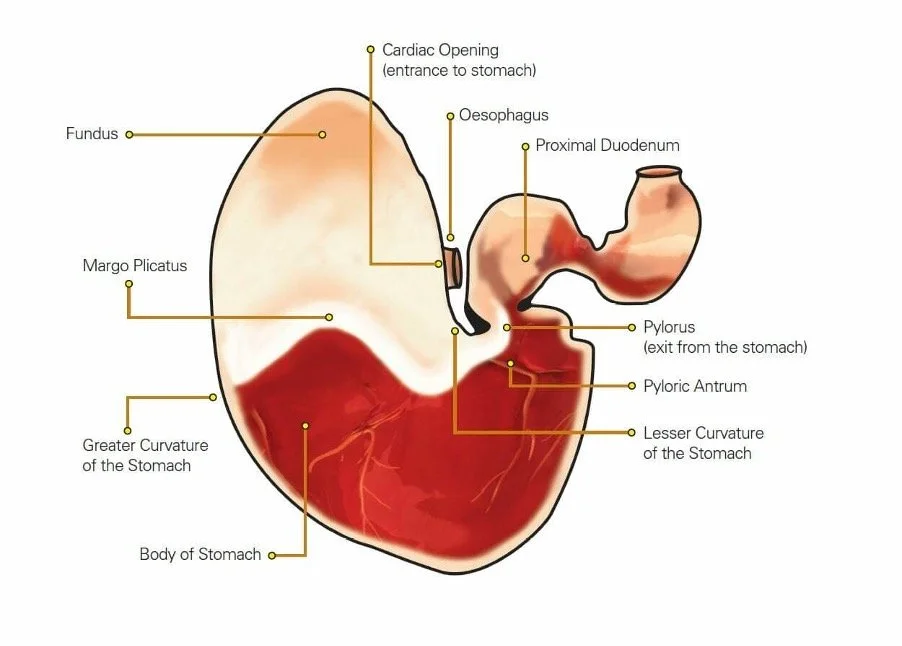
Equine gastric ulcer syndrome (EGUS) is a major equine health problem worldwide. Multiple studies have reported a 90% incidence rate of ulcers in performance horses.
Ulcers negatively and sometimes severely affect a horse’s ability to perform. They cause pain and discomfort. They may reduce your horse’s appetite which in turn limits their capacity to maintain bodyweight and ulcers can lead to the development of vices like windsucking and crib biting.
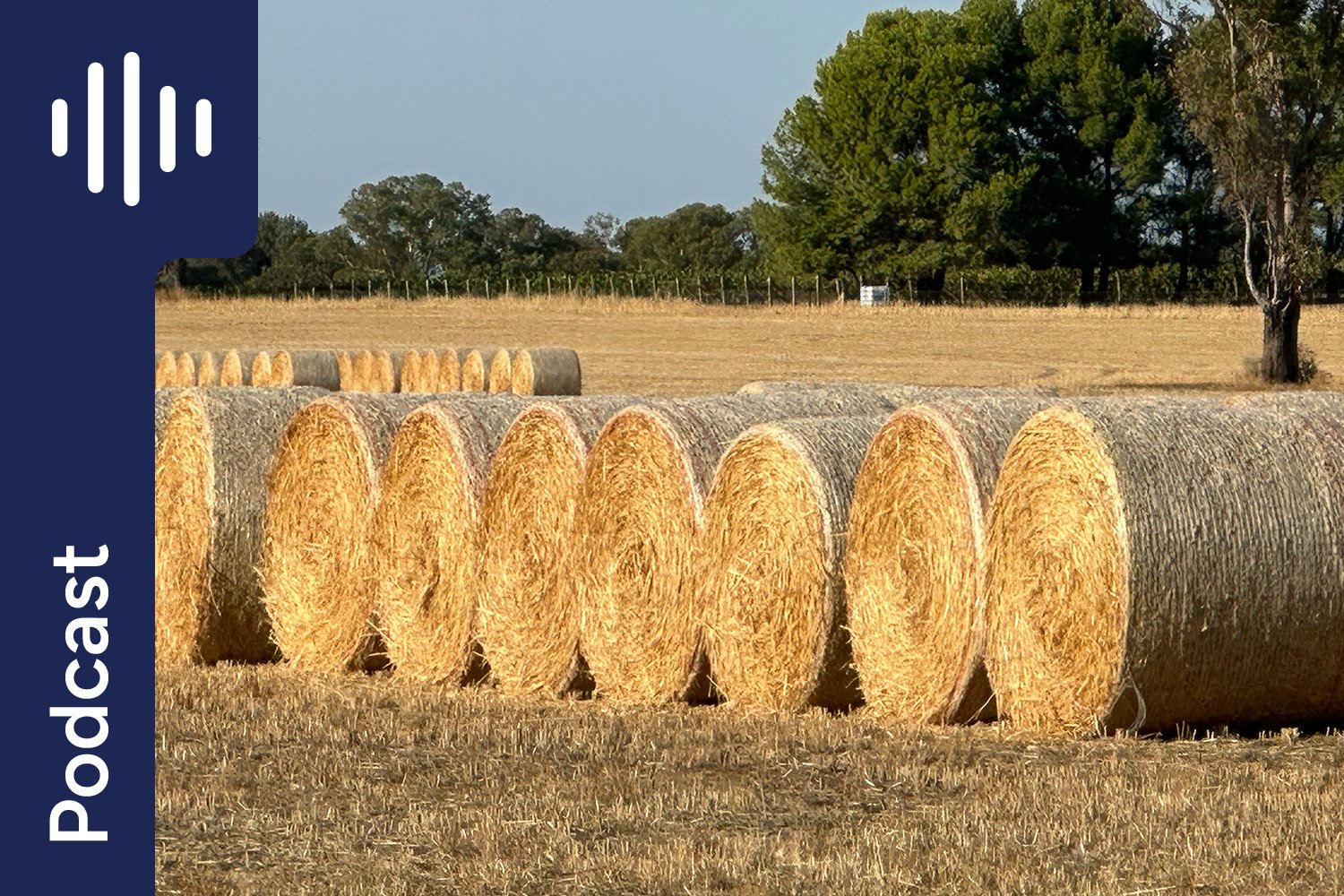
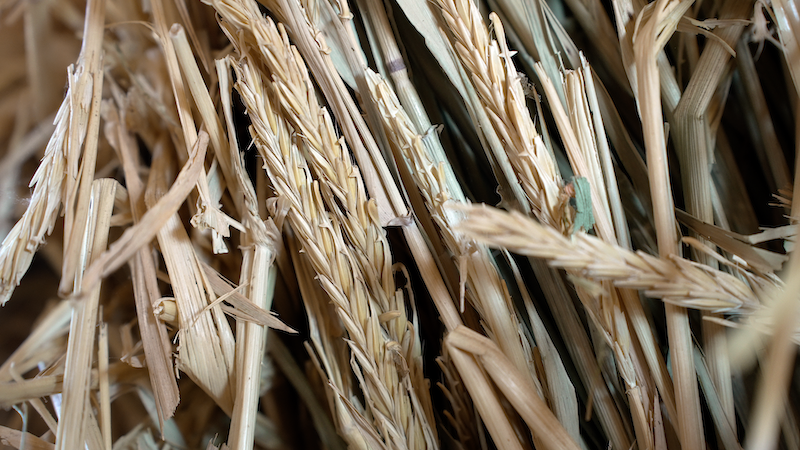
Last month, we covered the most important priorities when feeding during drought, which are; 1. to keep horses physically and mentally healthy by providing LOTS of forage in the form of hay and other types of fibre or forage; and 2. to meet your horse’s need for nutrients.
Essentially, you need to fill them up, keep them chewing and keep their weight on!
This however is only part of the picture when it comes to drought feeding. Your next priority when feeding during drought is to prevent the diseases that drought increases the risk of.
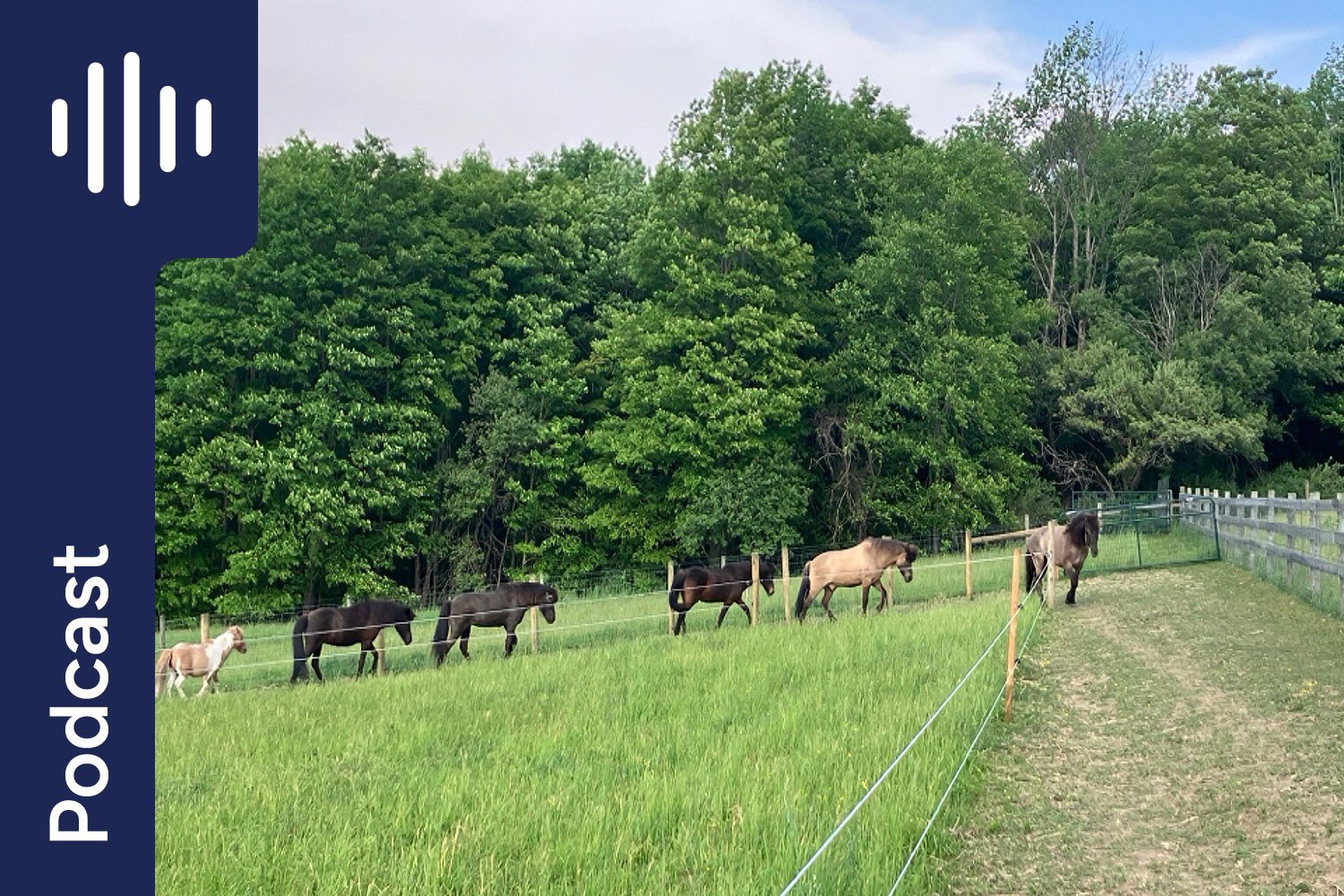
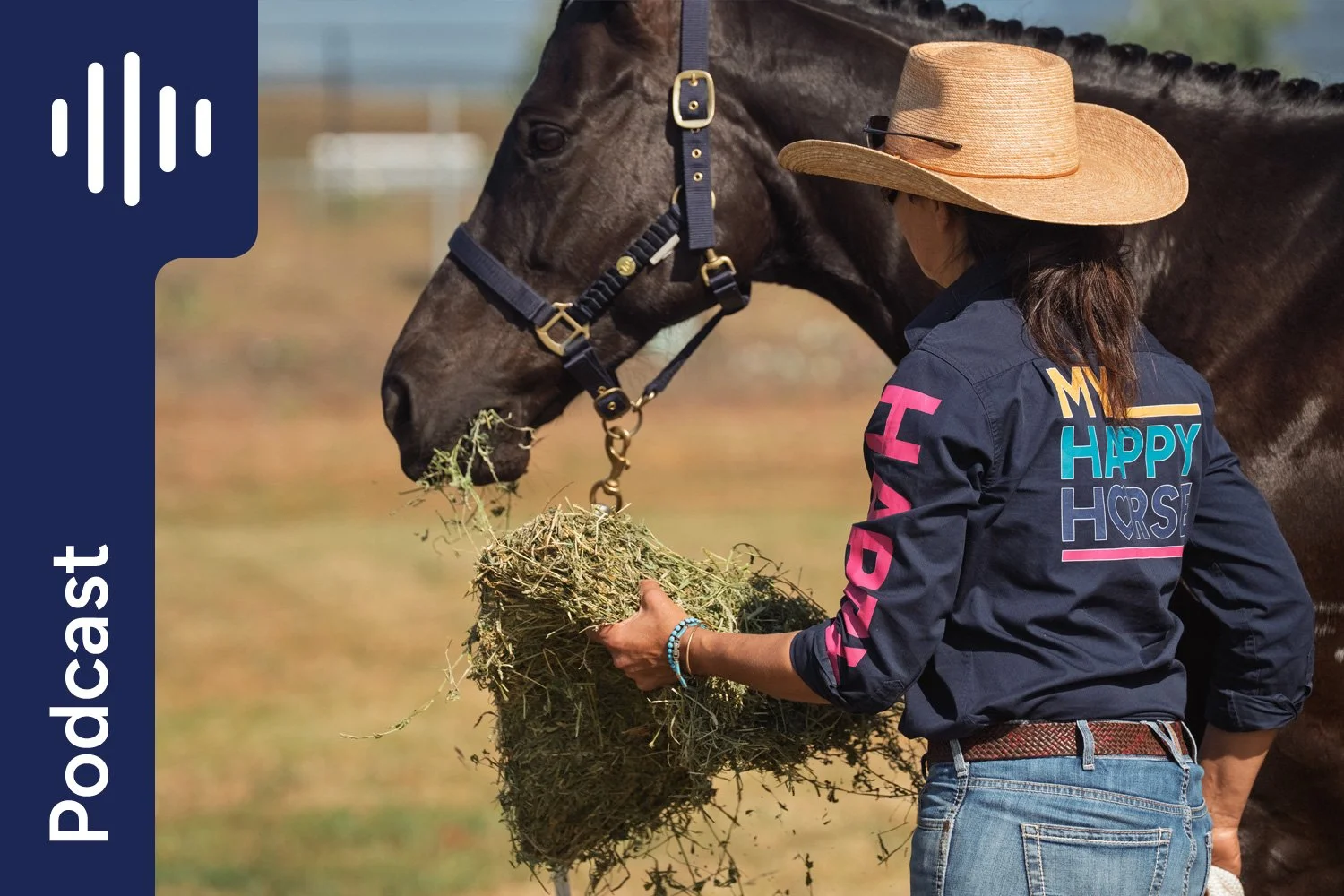
Podcast #29. When used well, strip grazing becomes one of the most effective tools for managing weight, preventing laminitis and protecting pasture. In this episode of the Happy Horse Nutrition Podcast, Dr Nerida walks through exactly how strip grazing works in real life, why it matters and how to tailor it to your climate, pasture growth stage and horse’s body condition.
Recent posts
Check out our latest tips to keep your horse happy and healthy. Because there’s always more to learn about keeping horses at their best!
Last month, we covered the most important priorities when feeding during drought, which are; 1. to keep horses physically and mentally healthy by providing LOTS of forage in the form of hay and other types of fibre or forage; and 2. to meet your horse’s need for nutrients.
Essentially, you need to fill them up, keep them chewing and keep their weight on!
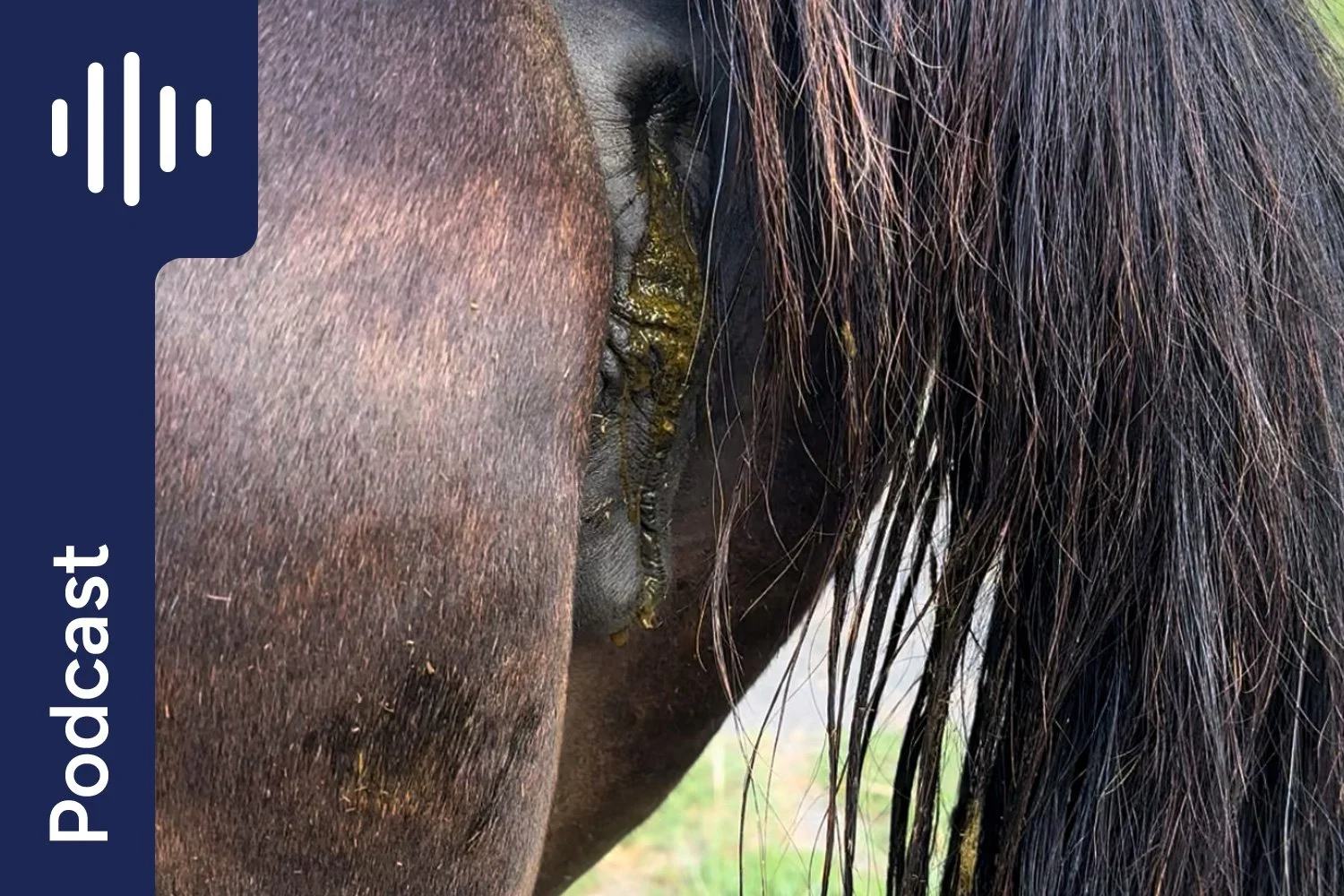
This however is only part of the picture when it comes to drought feeding. Your next priority when feeding during drought is to prevent the diseases that drought increases the risk of.
Podcast #29. When used well, strip grazing becomes one of the most effective tools for managing weight, preventing laminitis and protecting pasture. In this episode of the Happy Horse Nutrition Podcast, Dr Nerida walks through exactly how strip grazing works in real life, why it matters and how to tailor it to your climate, pasture growth stage and horse’s body condition.
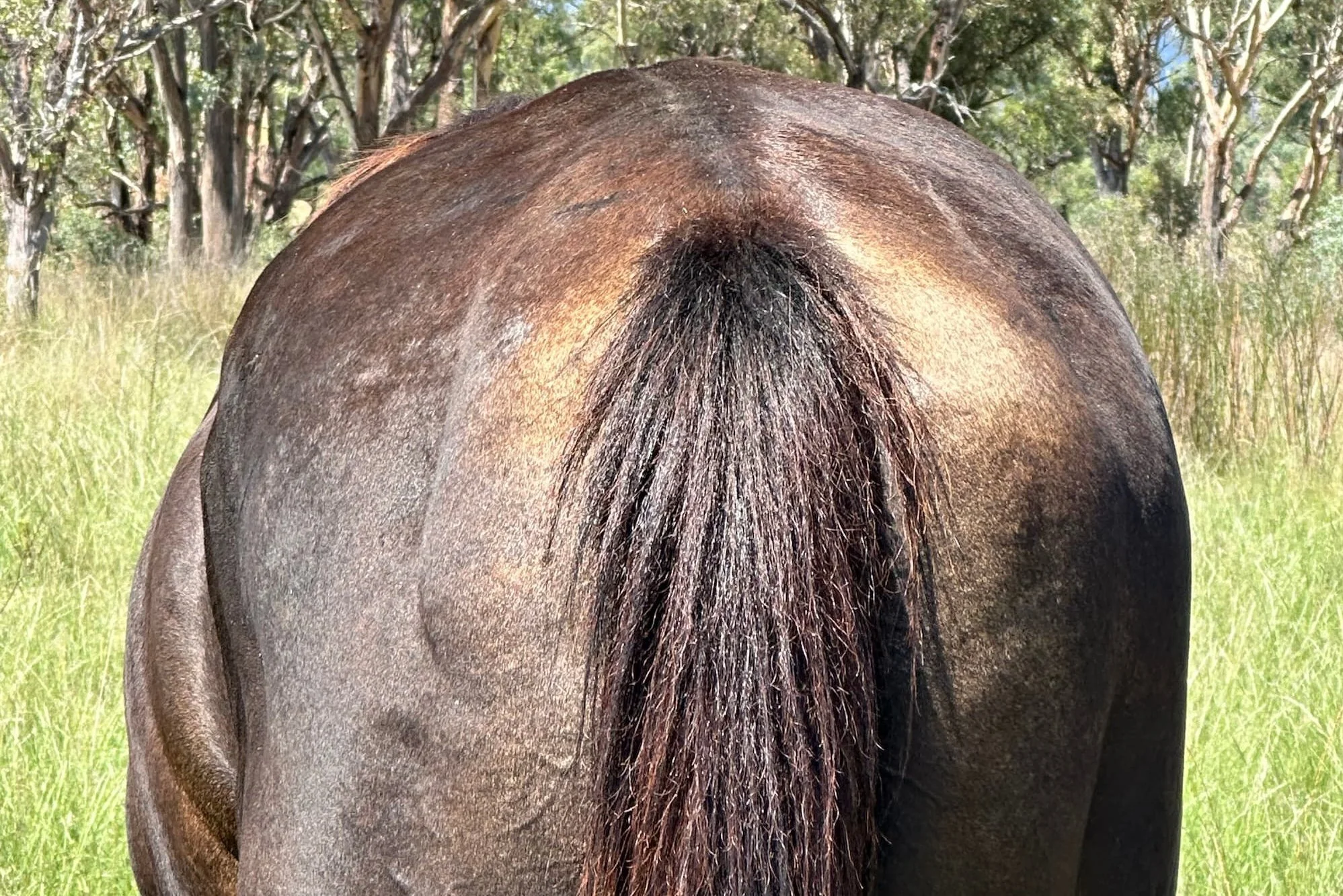
Podcast #28. A glossy coat isn’t just about looks — it’s a window into your horse’s inner health. In this episode, Dr Nerida takes you through some of the reasons coats lose their shine — from seasonal changes and mineral imbalances to sun bleaching and plain old horse individuality. Learn why copper 🧡 and zinc ⚙️ are non-negotiables, how diet balance drives coat brilliance, and why balanced diets and good ol’ fashioned patience often outshine any supplement.
Podcast #27. Dr. Nerida and Orla are back with another Q&A episode that tackles everything from freaky behaviour on ryegrass and mycotoxin binders to a virtually unknown reason your horse might be completely off its feed, plus, how to tell if your grain is safe to feed. Whether you're managing a quirky pony or fine-tuning a racehorse’s diet, this episode will help you decode behaviour, evaluate risk, and feed with clarity and confidence.
Podcast #26. Join Dr. Nerida as she tackles a listener question about feeding "marey mares" - those behaviourally expressive, sensitive, sometimes moody, often brilliant mares. This Happy Horse Nutrition episode explores why mare behaviour issues are less commonly about specific ingredients, and almost always about gut health, feeding management and pain.
Podcast #25. Discover how Ciaron Maher Racing (CMR) is pushing the boundaries in the Australian thoroughbred racing industry and breaking away from traditional nutrition strategies. In this in-depth conversation, PhD equine nutritionist Dr. Nerida sits down with Katrina Anderson (Sports Science Lead) and Josh Kadlec-Cavanagh (Head of Data and Performance) to reveal the data-driven approach that's challenging decades of traditional feeding practices.
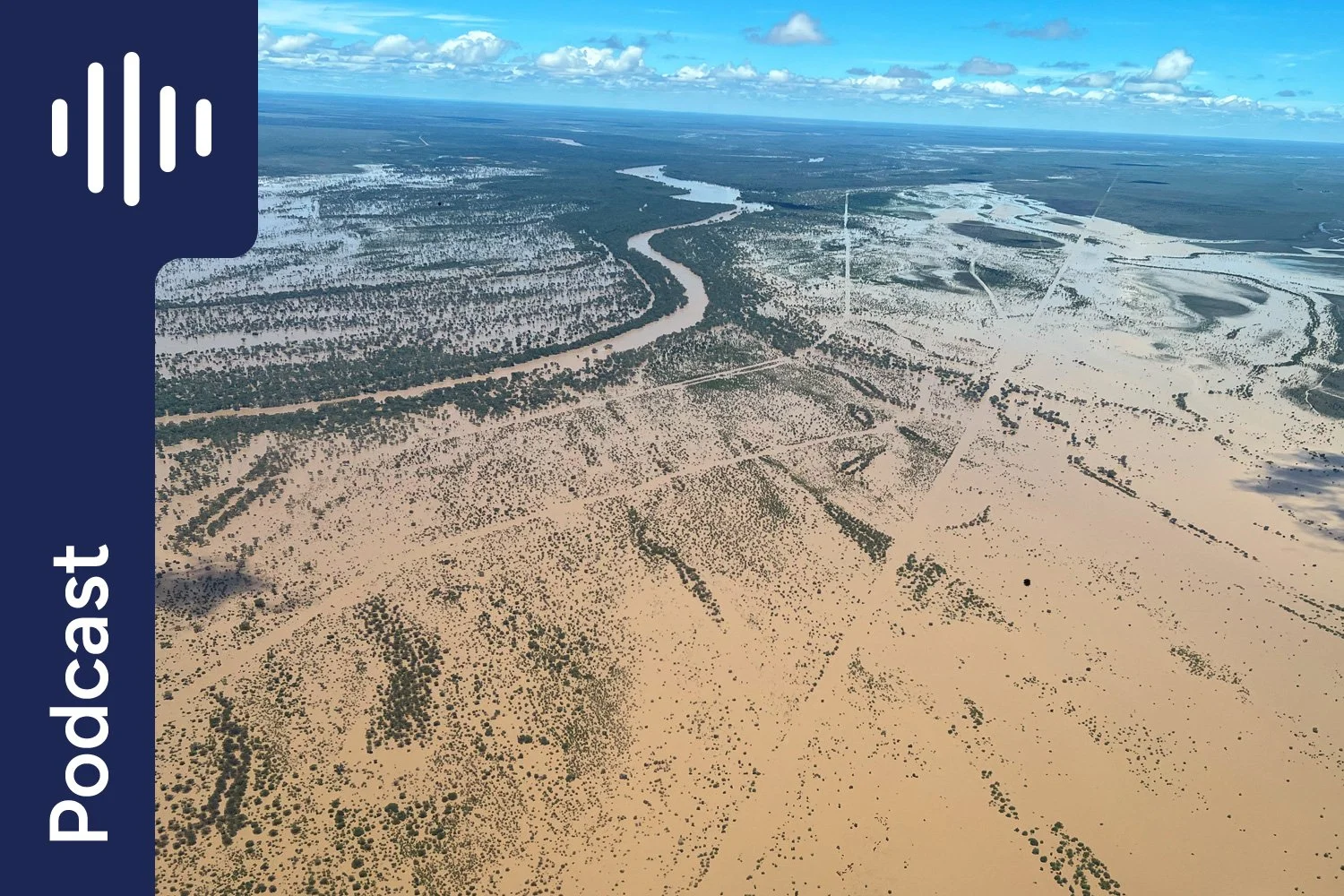
Our southern states are in the grip of serious drought, and while drought is a common occurrence for us Aussies, it is always a significant challenge to feed horses during drought. Unfortunately, there is nothing I can teach you that will make droughts ‘easy’, but, let me guide you on some of the most important things you should focus on when feeding your horses during drought.
Podcast #24. Join Dr. Nerida as she explores one of her favourite nutrition topics: why ingredient variety is absolutely critical for your horse's health. In this equine nutrition episode, which comes complete with Lucky the Goat 🐐 anecdotes, Dr Nerida reveals the three reasons diverse diets keep horses healthier, happier, and more resilient - and why feeding just one or two ingredients is putting your horse’s health at risk.
Podcast #23. Join equine nutritionist and Happy Horse Nutrition host Dr Nerida as she sits down with renowned nutritionist and Grand Prix dressage rider Liz Owens to discuss the FEI's ‘Be A Guardian’ initiative and the critical role nutrition plays in horse welfare.
Podcast #22. Join Dr. Nerida and Orla for a rapid-fire Q&A session (well, maybe not rapid fire, but fast moving!) tackling listener questions on omega-3 supplementation, PSSM tying up, and solving anhidrosis in hot climates. Complete with ‘Friends’ references and an ‘Irish joke’, this episode also manages to deliver some practical, science-based answers to real-life horse feeding challenges.
Podcast #21. Confused about which supplements your horse actually needs? In this comprehensive episode, PhD equine nutritionist Dr. Nerida cuts through the marketing noise to reveal what's essential, what may be useful, and what's likely a waste of money.
After 2+ years building, many brain breaking moments (and more chocolate eaten than I care to admit 🙊) the MyHappy.Horse virtual equine nutritionist has taken it’s first tiny little steps out into the world!
Podcast #20. Join Dr Nerida and friend and horse industry colleague Orla for another engaging Q&A session. In this episode, we dive deep into free faecal water syndrome in horses—exploring fecal transplants, microbiome programming from dam to foal, and the crucial role of fibre diversity in gut health.
Podcast #19. Join PhD equine nutritionist Dr. Nerida as she tackles one of horse owners' most pressing questions: does my horse actually need grain? This comprehensive equine nutrition episode breaks down the science behind horse grain feeding, revealing why most horses don't need grain at all - and the specific cases where they do.
Podcast #18. Discover the answer to one of the most common questions asked by horse owners worldwide: how much hay does my horse actually need? Dr. Nerida reveals why this seemingly simple question has life-or-death consequences for your horse's health and performance.
As horse owners we often give ourselves a really hard time for not doing ‘the right thing’ for our horses. This blog post was originally inspired by a conversation with a gorgeous friend whose pony had gotten laminitis.
Horses with chronic or acute kidney disease can benefit from careful nutritional management. Feeding these horses appropriate rations can take the load off their kidneys to allow them time to heal or to prolong the time the kidneys are able to function effectively for the horse.
Podcast #17. Is your horse experiencing back pain? In this eye-opening episode, equine sports medicine specialist Dr. Nicolle Wiechula and your host Dr Nerida McGilchrist dive deep into everything you need to know about horse back health.
Podcast #16. Dr. Nerida and Orla are back! And in this Q&A, they dive into some of the trickiest horse nutrition topics—because let’s face it, feeding horses isn’t always straightforward.
Podcast #15. If you own a laminitis-prone horse or pony you know well the anxiety this condition creates for us as horse owners! In this essential episode, Dr. Nerida explains why a change in season creates the 'perfect storm' for laminitis - from the science behind how cold nights and sunny days cause dangerous carbohydrate accumulation in pasture plants, to the insulin dysregulation that affects 90% of laminitis cases.