
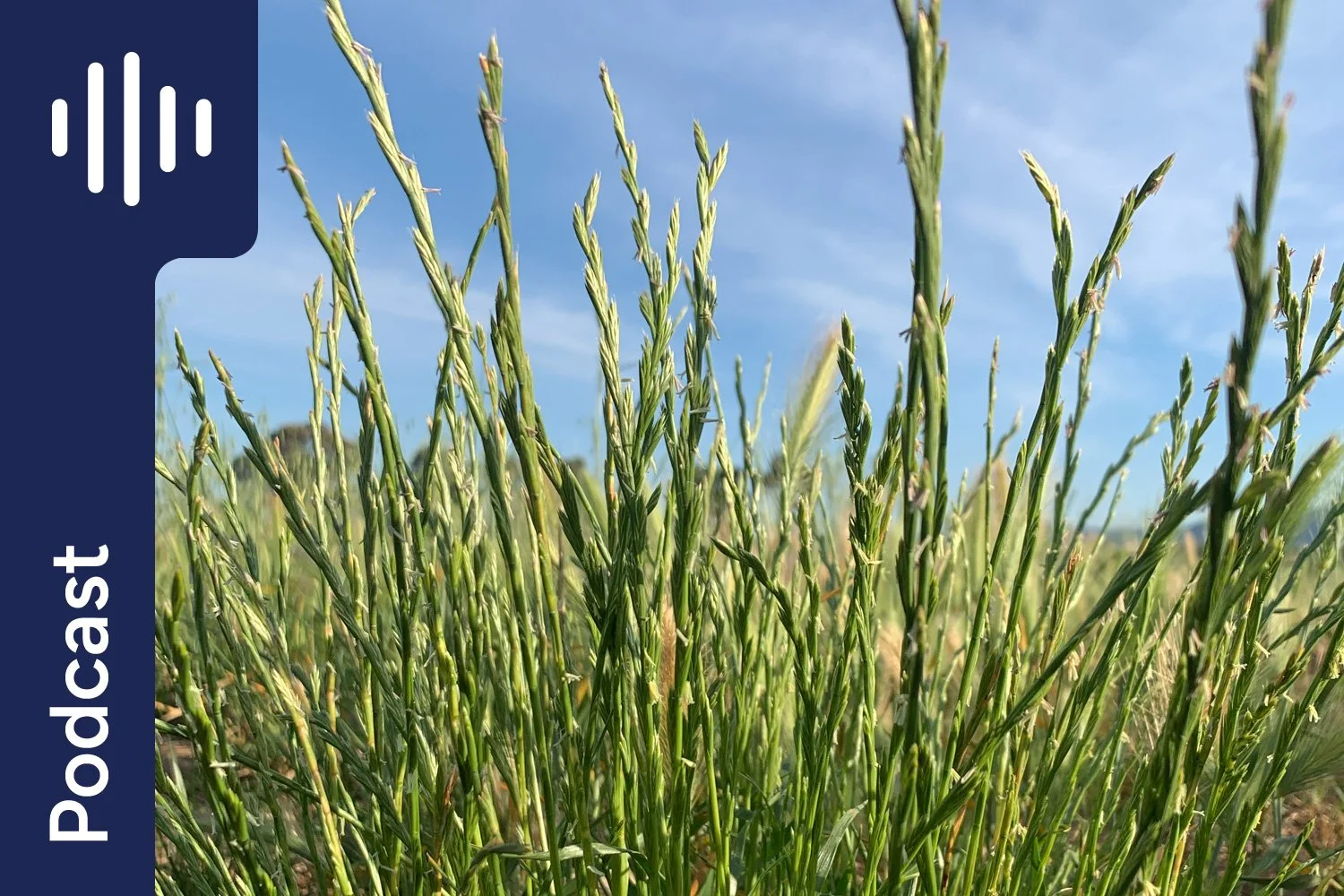
Perennial Ryegrass Mycotoxins: Why Your Horse’s Behaviour May Suddenly Change
Podcast #70. Has your horse suddenly become anxious, spooky, reactive or unpredictable — despite being normally calm and sensible?
In this episode, Dr Nerida explores how perennial ryegrass mycotoxins can affect horse behaviour, coordination and performance. Learn about lolitrem B and ergovaline, the toxins associated with ryegrass staggers, tremors, hypersensitivity, exaggerated startle responses, heat intolerance and dramatic behavioural changes.
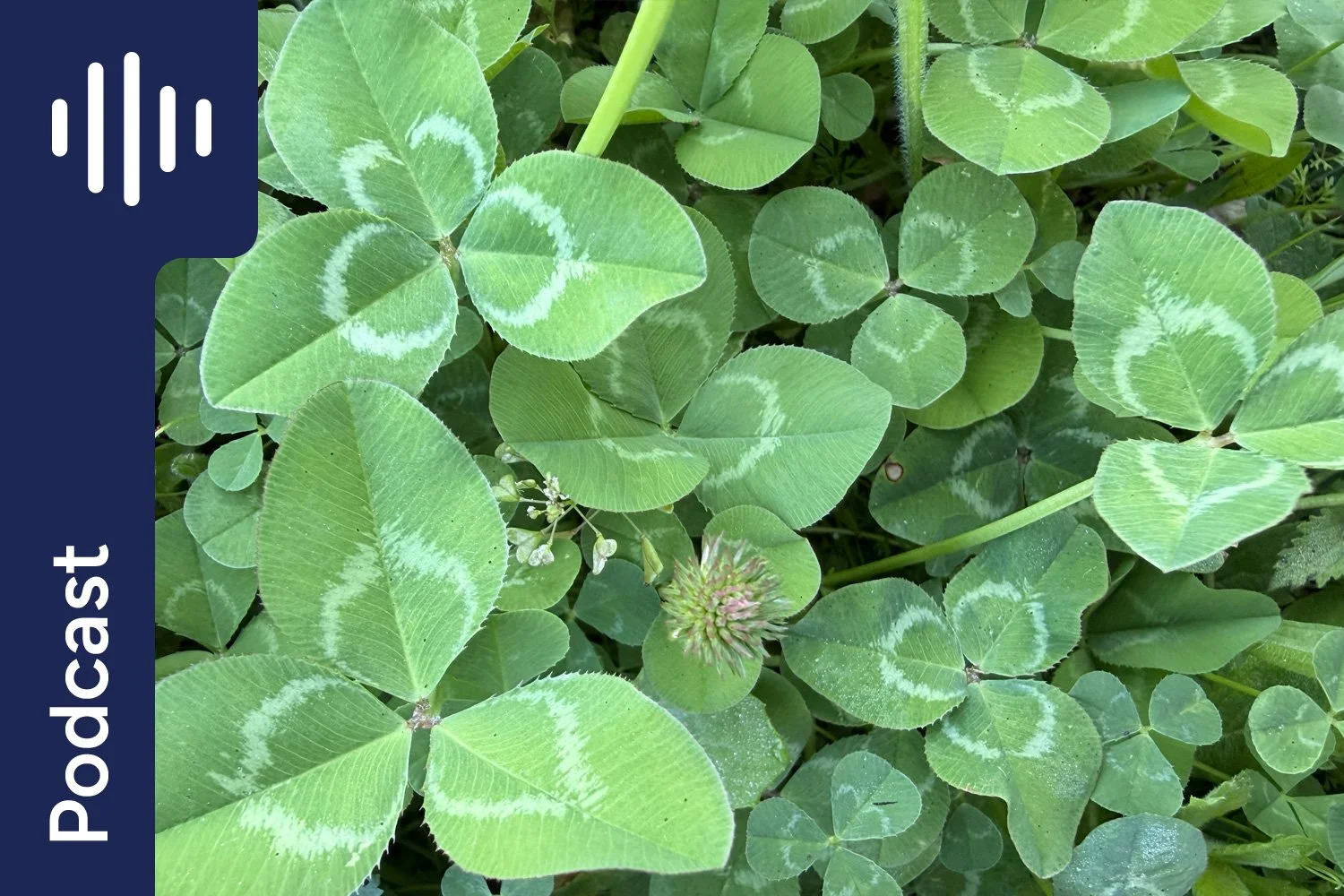
Horse Nutrition Q&A: Clover, Protein, Gut Health & Fibre Diversity
Podcast #69. How high can the starch content of clover really get? Can lupins be too high in protein? And does adding lots of different fibre sources actually help your horse’s hindgut microbiome?
In this Q&A episode, Dr Nerida and Orla unpack a mix of practical horse nutrition questions, including clover and insulin dysregulation, faba beans and resistant starch, high-protein diets, gastric ulcers, and why even a skinny horse can still be metabolically at risk.
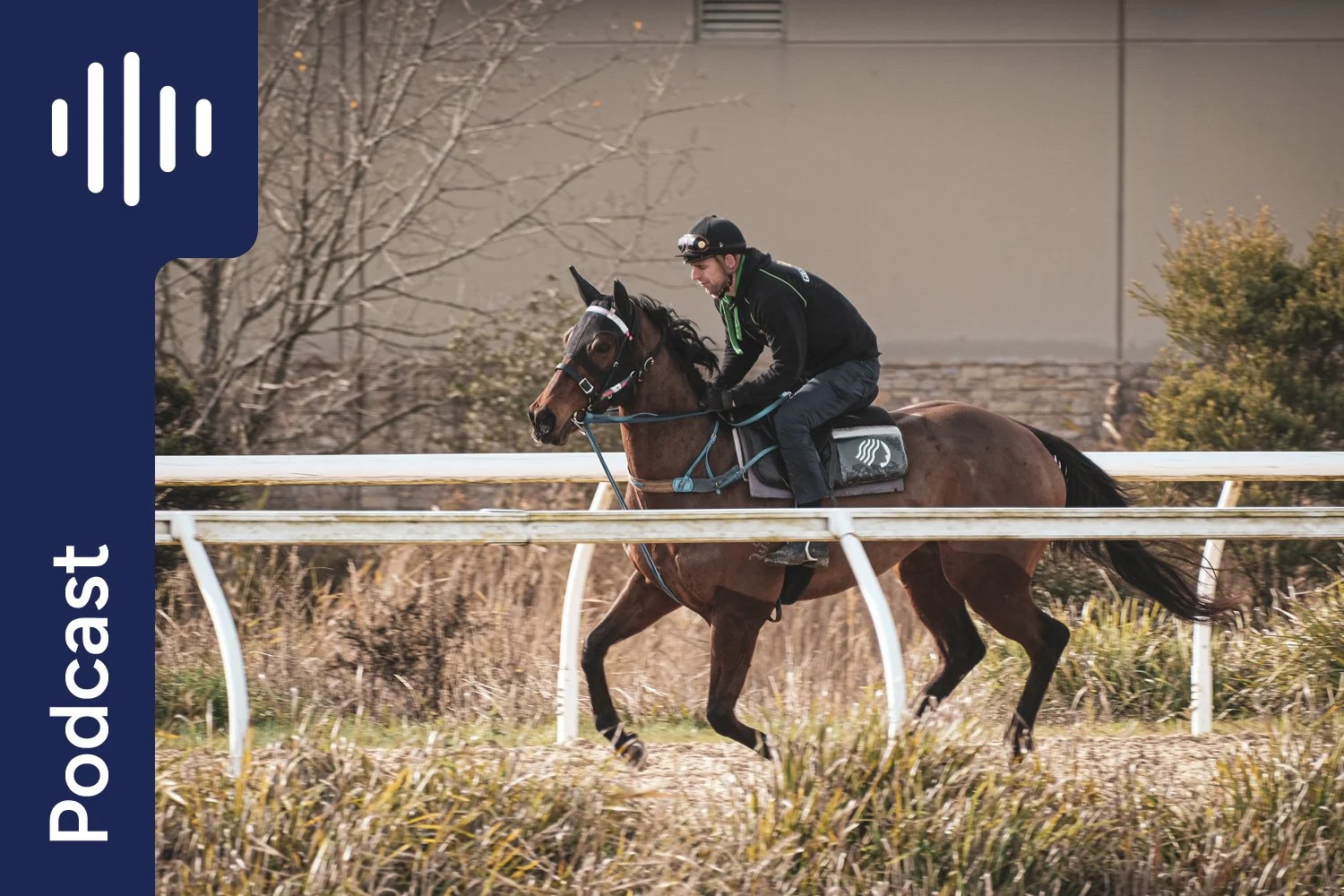
Gut Health: How Your Horse’s Hindgut Microbes Affect Performance
Podcast #68. Did you know the microbes living in your horse’s hindgut may be influencing how well they perform?
In this episode, Dr Nerida explores fascinating research linking hindgut microbiome diversity, fibre fermentation and performance in horses. We look at studies in Thoroughbreds and trotters showing that higher microbial diversity and greater fibre-fermenting capacity are associated with better racing performance, while greater starch fermentation is linked with poorer performance.
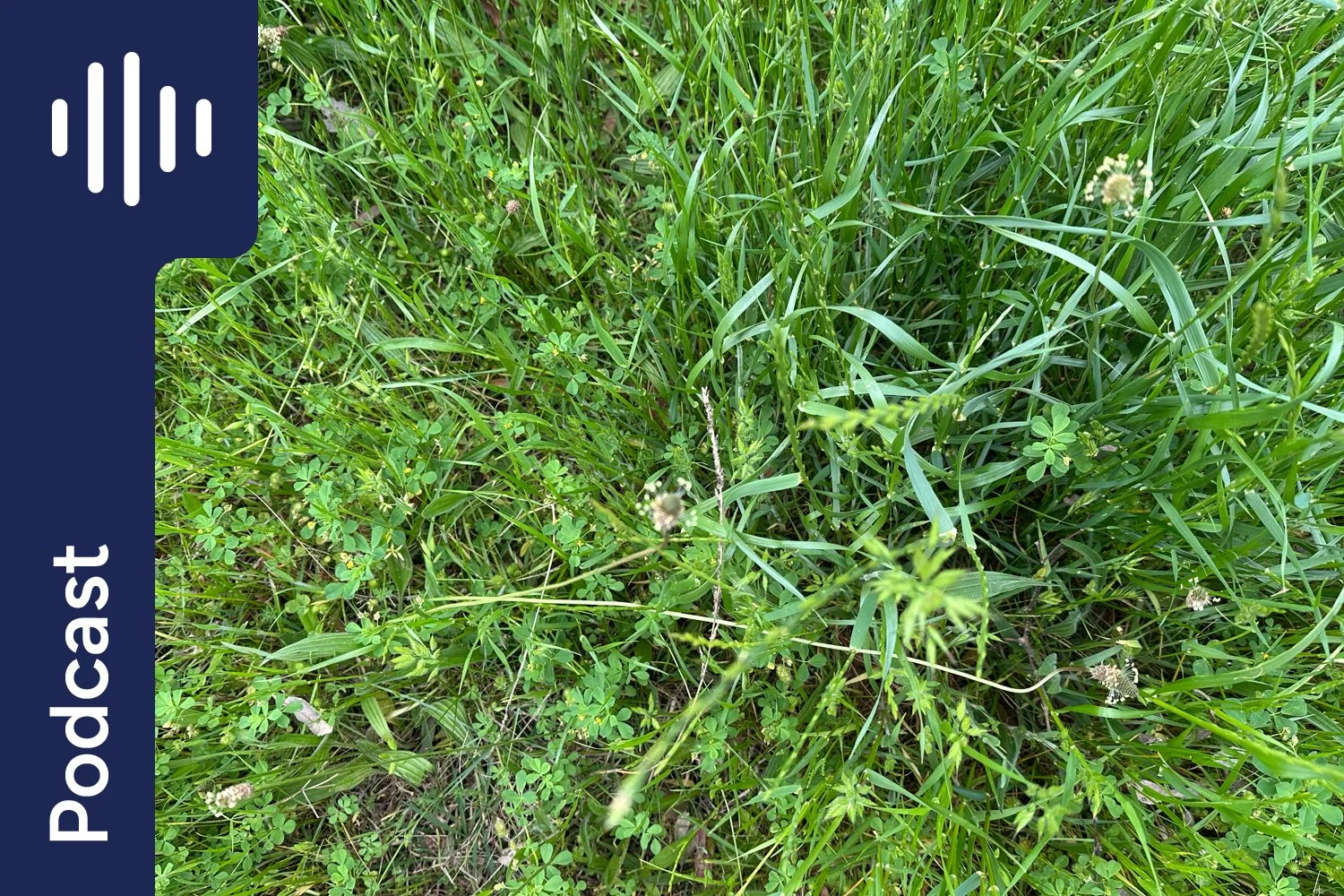
Laminitis & Spring Grass: How to Keep Your Horse Safe
Podcast #67. Managing a laminitis-prone horse through spring can feel like a full-time job — especially when pasture sugar levels can change dramatically with the weather.
In this episode, Dr Nerida and Orla talk through the practical realities of managing horses with laminitis and insulin dysregulation, including why frosty nights and sunny days can make spring pasture particularly risky, when grass is likely to be safest to graze, and how grazing muzzles, strip grazing and low-NSC hay can help.
Horses, Laminitis & Hoof Health with Dr Luke Wells-Smith
Podcast #66. In this episode, Dr Nerida is joined by Dr Luke Wells-Smith, dual qualified equine veterinarian and farrier, for a unique perspective on laminitis. Dr Luke unpacks what’s happening inside the hoof during laminitis, the early warning signs horse owners can watch for, insulin dysregulation, digital pulses and hoof growth rings.
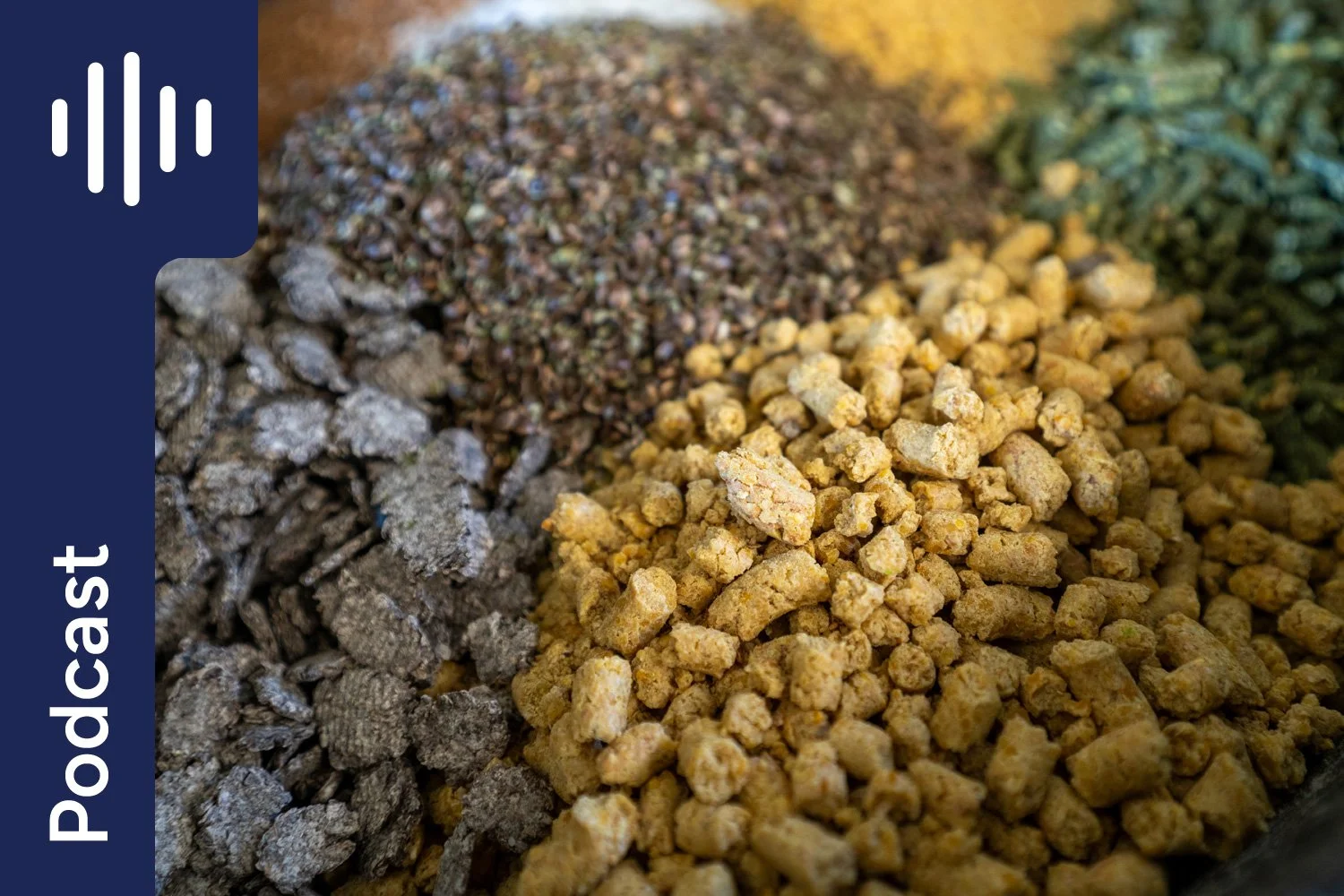
My 5 Favourite Weight Gain Ingredients for Horses
Podcast #65. In this episode, equine nutritionist Dr Nerida explains why lucerne—or alfalfa—full-fat soybean, lupins, sugar beet pulp and copra meal are five of her favourite horse weight-gain ingredients. Discover how each ingredient supplies energy, fermentable fibre or quality protein, and how the right combination can help horses build body condition and muscle without simply relying on more grain.
Horse Nutrition Q&A: Insulin Sensitivity, Muscle Building and Misleading Feed Labels
Podcast #64. Join Dr Nerida and Orla as they discuss how powerful exercise can be for insulin sensitivity, metabolic health and weight management. Plus they talk feeding for muscle development, and how whey protein, soybean and leucine play a role.
They also dive into digestive enzymes, why they are being added to more feeds, and how enzymes may help some horses digest starch more efficiently when grain-based feeds are used.
Preventing Gastric Ulcers in Horses: 4 More Nutrition Strategies
Podcast #63. Preventing squamous gastric ulcers takes more than just feeding enough forage. In this episode, Dr Nerida explains four additional nutrition strategies: feeding a balanced diet, controlling grain and starch intake, supplying high-quality protein, and using lucerne or alfalfa strategically. You’ll also learn why grain is not automatically the problem, how key nutrients support stomach repair, and why lucerne can be so valuable for gut health.
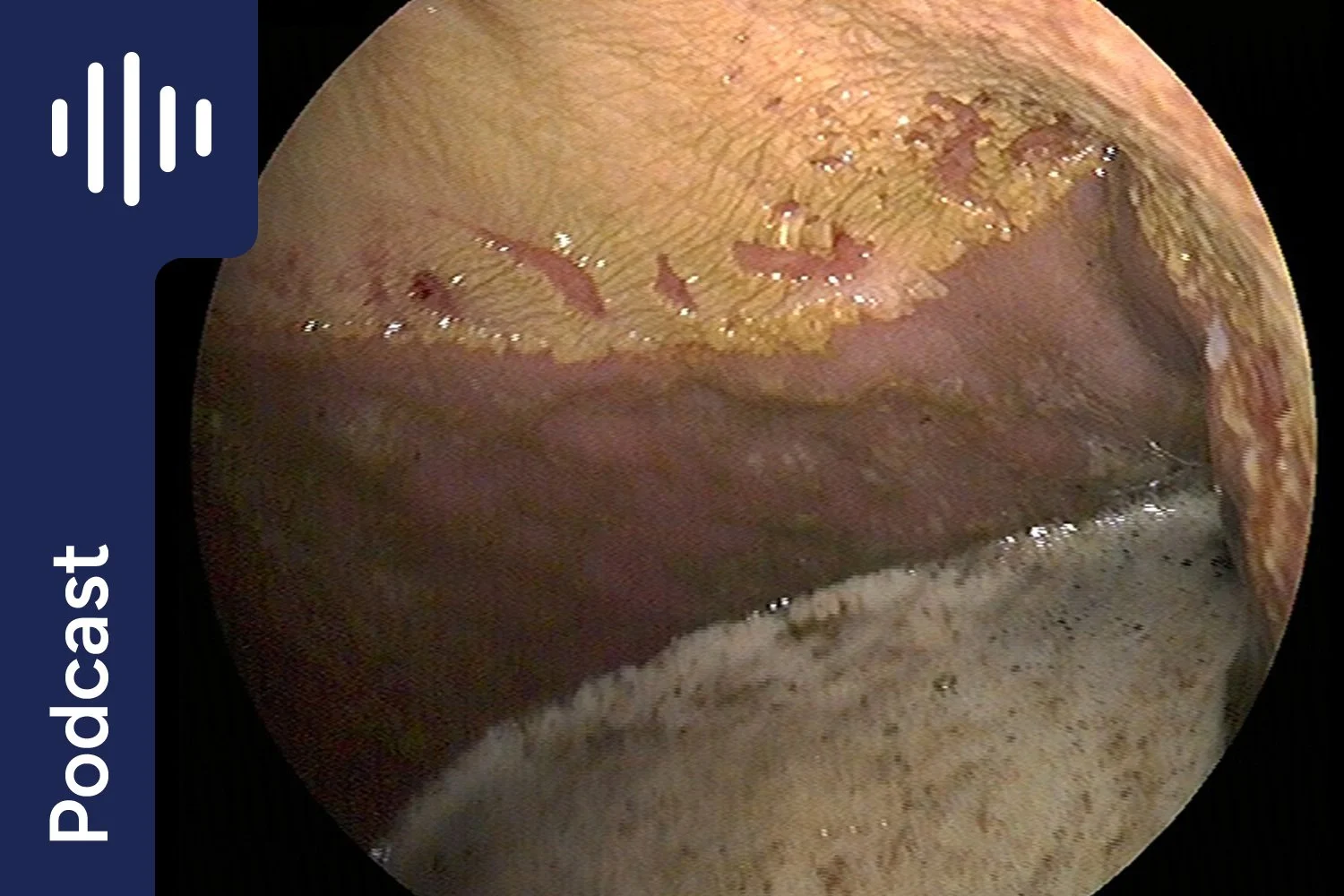
Prevent Gastric Ulcers – Top 3 things you must do for your horse
Podcast #62. Preventing gastric ulcers in horses starts with forage, not feeds or supplements. Dr Nerida explains the three essential steps that help protect against equine squamous gastric ulcers: feeding enough forage, minimising fasting and feeding hay around exercise.
You’ll also learn why “free-choice hay” may not mean your horse is actually eating enough, and how herd dynamics and hay nets can quietly increase ulcer risk.
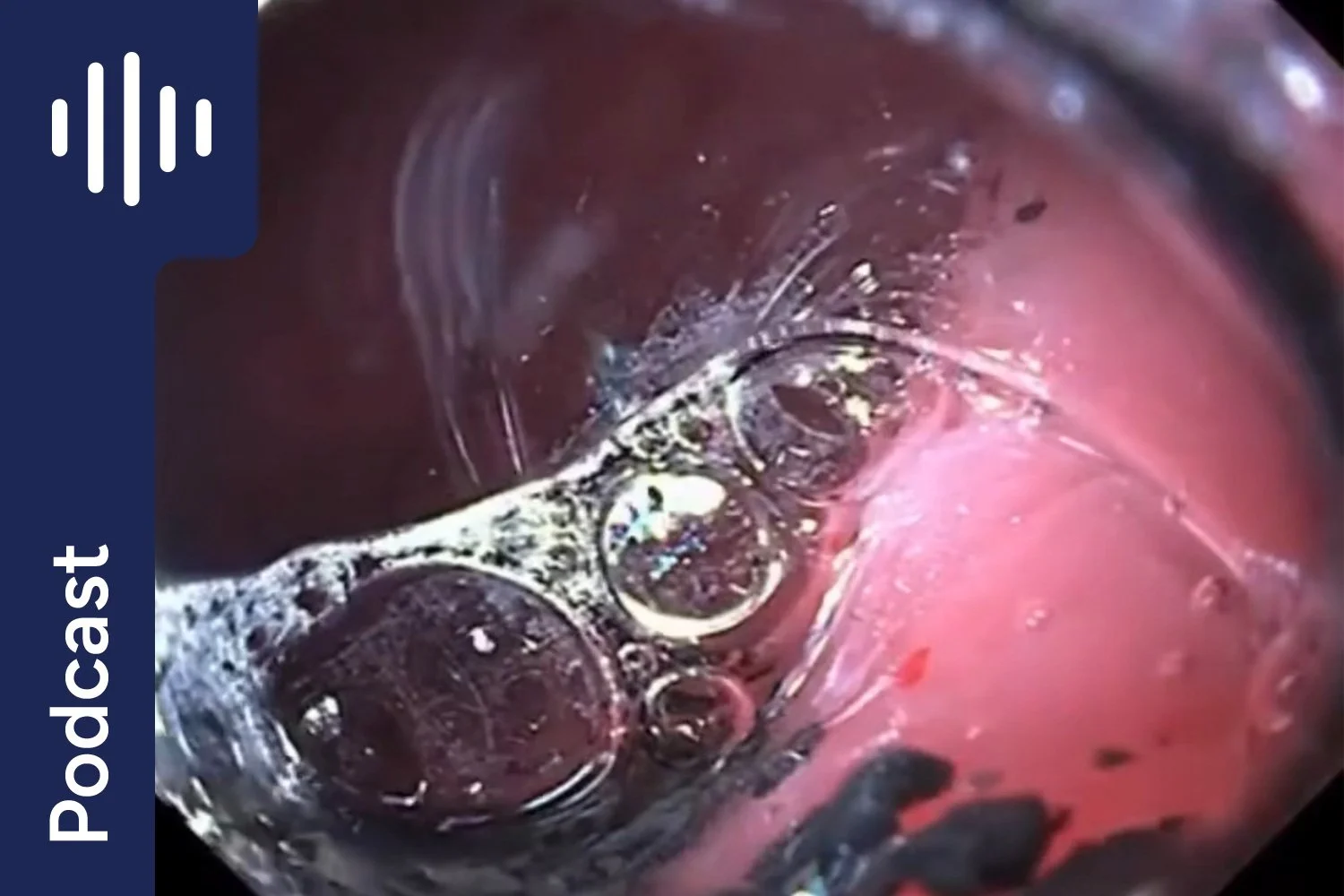
Horse Nutrition Q&A: Gravel in the Gut, Lucerne Myths and Haynets
Podcast #61. Orla is back on the Happy Horse Nutrition Podcast, and this time she and Dr Nerida are answering listener questions, sharing stories from the gastroscope, and chat themselves down a number of rabbit holes.
In this (very) relaxed Q&A episode, Nerida and Orla talk about sand, gravel and soil in the gut, when psyllium may be useful, and why forage and fibre are so important for helping horses move dirt through the digestive tract. They also discuss the tricky balance between using haynets to slow intake, while still keeping horses comfortable, chewing and ulcer-safe.
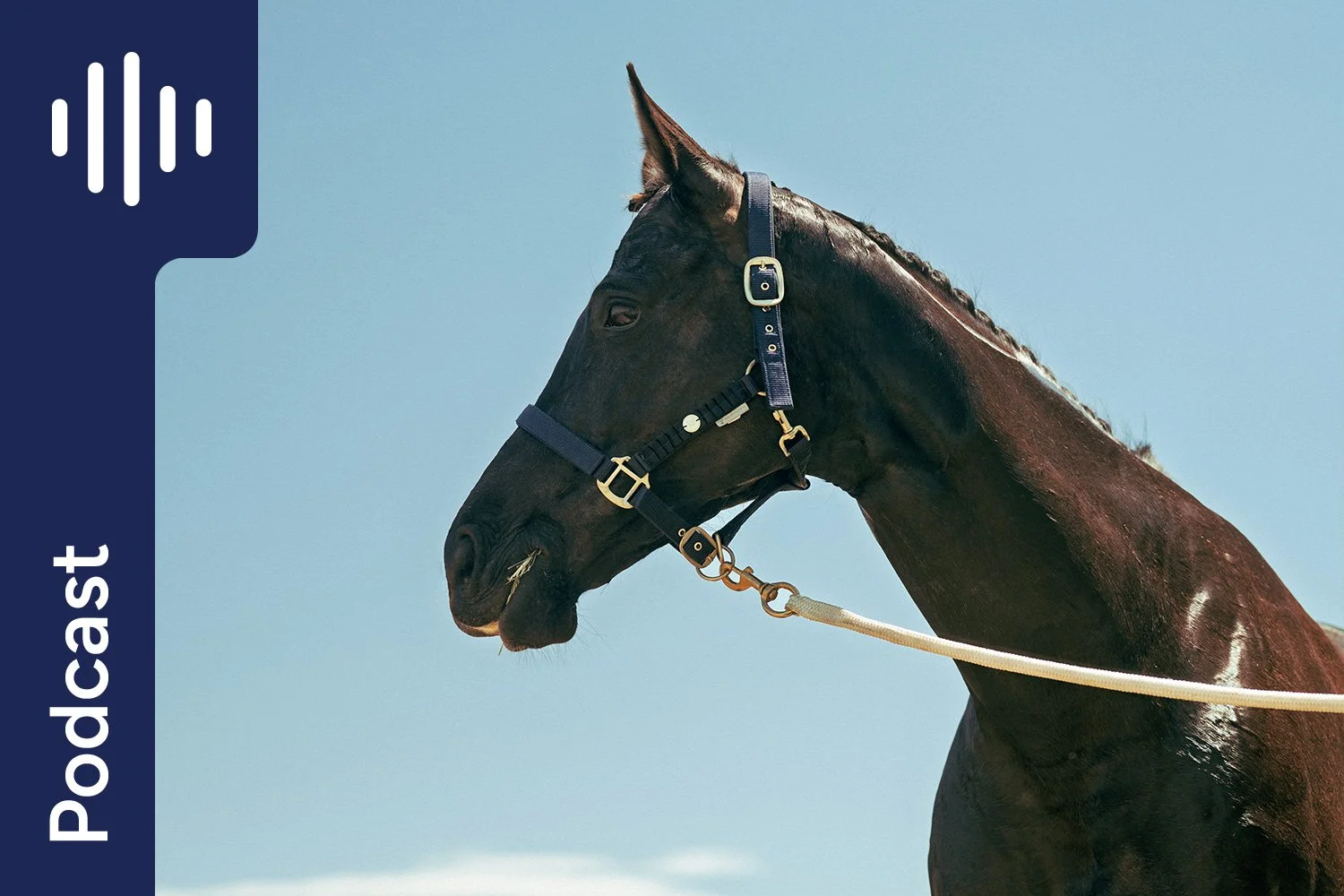
All About Allay: Rebuilding a Horse’s Gut After Racing
Podcast #60. What really happens inside an off-the-track’s gut when you take away the racing diet and start to rebuild the horse from the hindgut up?
In this episode of the Happy Horse Nutrition Podcast, Dr Nerida is joined again by Dr Belinda to talk all about Allay, Nerida’s beautiful off-the-track Thoroughbred mare, and what happened inside her gut as she transitioned from racehorse life into life after racing.
Allay’s story gives us a rare look at the hindgut microbiome in real life. Over her first 12 months with Nerida, her diet, behaviour, condition and microbiome were tracked, showing what can happen when an off-the-track horse is given time, fibre, forage diversity and the right nutritional support.
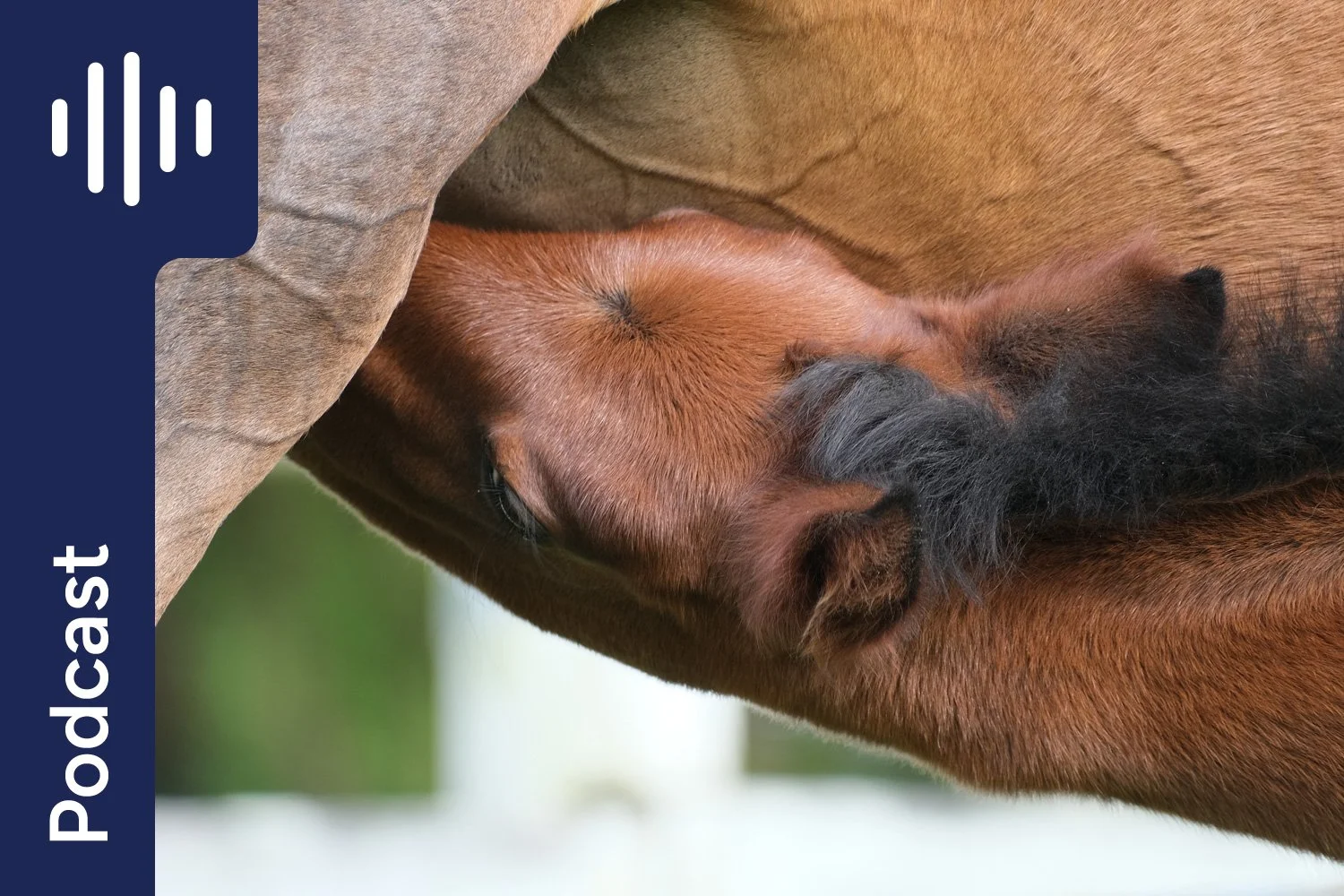
Feeding Pregnant Mares: Why Balanced Nutrition Matters From Day One
Podcast #59. How much does broodmare nutrition really matter? In this episode, Dr Nerida is joined again by Jess, an equine science student from Charles Sturt University, for a practical Q&A on feeding pregnant and lactating broodmares.
They unpack the common idea of “feeding for two”, and why pregnant mares do not need large amounts of extra energy and protein from day one, but absolutely do need a balanced diet from the very beginning.
Feeding for Weight Loss: Why “Just Feed Less” is Not the Answer
Podcast #58. Is your horse an “air fern” who seems to gain weight just by looking at grass? In this episode of the Happy Horse Nutrition Podcast, Dr Nerida walks you through how to feed overweight horses and good doers for safe, sustainable weight loss, without leaving them hungry, stressed, nutritionally deficient or at higher risk of problems like gastric ulcers.
Weight loss for good doers is not as simple as “feed less”. In fact, restricting forage too harshly will create serious gut health, welfare and behaviour problems. Instead, Nerida explains how to reduce calorie intake while still keeping your horse chewing, happy and with all of their nutrient requirements met.
Feeding for Weight Gain: Why “Just Feed More” Is Not the Answer
Podcast #57. Is your horse underweight, a classic hard keeper, or one of those horses who seems to need a ridiculous amount of feed just to hold condition? In this episode of the Happy Horse Nutrition Podcast, Dr Nerida takes a practical, gut-first look at feeding horses for safe, effective and sustainable weight gain.
Because weight gain is not simply a matter of “just feed more”. Yes, a horse needs to eat more energy than they use in order to gain weight, but they also need to be able to digest and use that energy. And that is where so many weight gain diets go wrong.
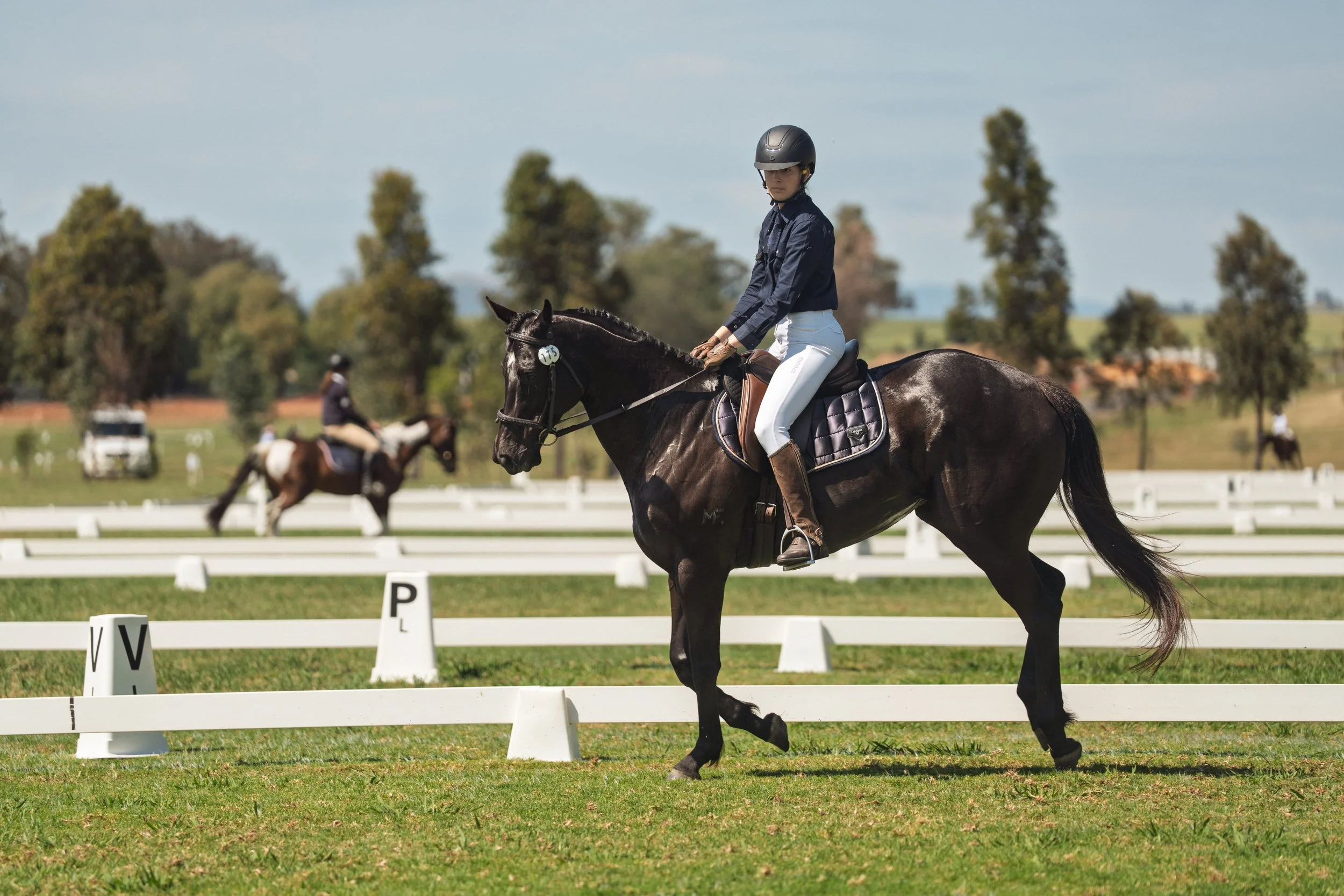
Feeding to keep your horse ZEN!
As a horse rider, I am sure I am not alone when I say there are few things in life that make me feel more alive, more connected and more at peace than a ride where my horses and I just flow together. They are calm, I am focussed and things between us just… flow.
And I am also sure I am not alone when I say there are few things more unnerving, more frustrating or more terrifying than a horse that is hot, nervous, reactive or even downright dangerous!
Do Calming Supplements for Horses Actually Work?
Podcast #56. Do calming supplements for horses actually work? Or are we sometimes asking them to do a job they were never going to be able to do?
In this episode, Dr Nerida takes a practical, science-based look at horse behaviour, diet and calming supplements. Before diving into ingredients like magnesium, vitamin B1 and tryptophan, Nerida starts with the bigger question every horse owner should ask first: Why is my horse behaving this way?
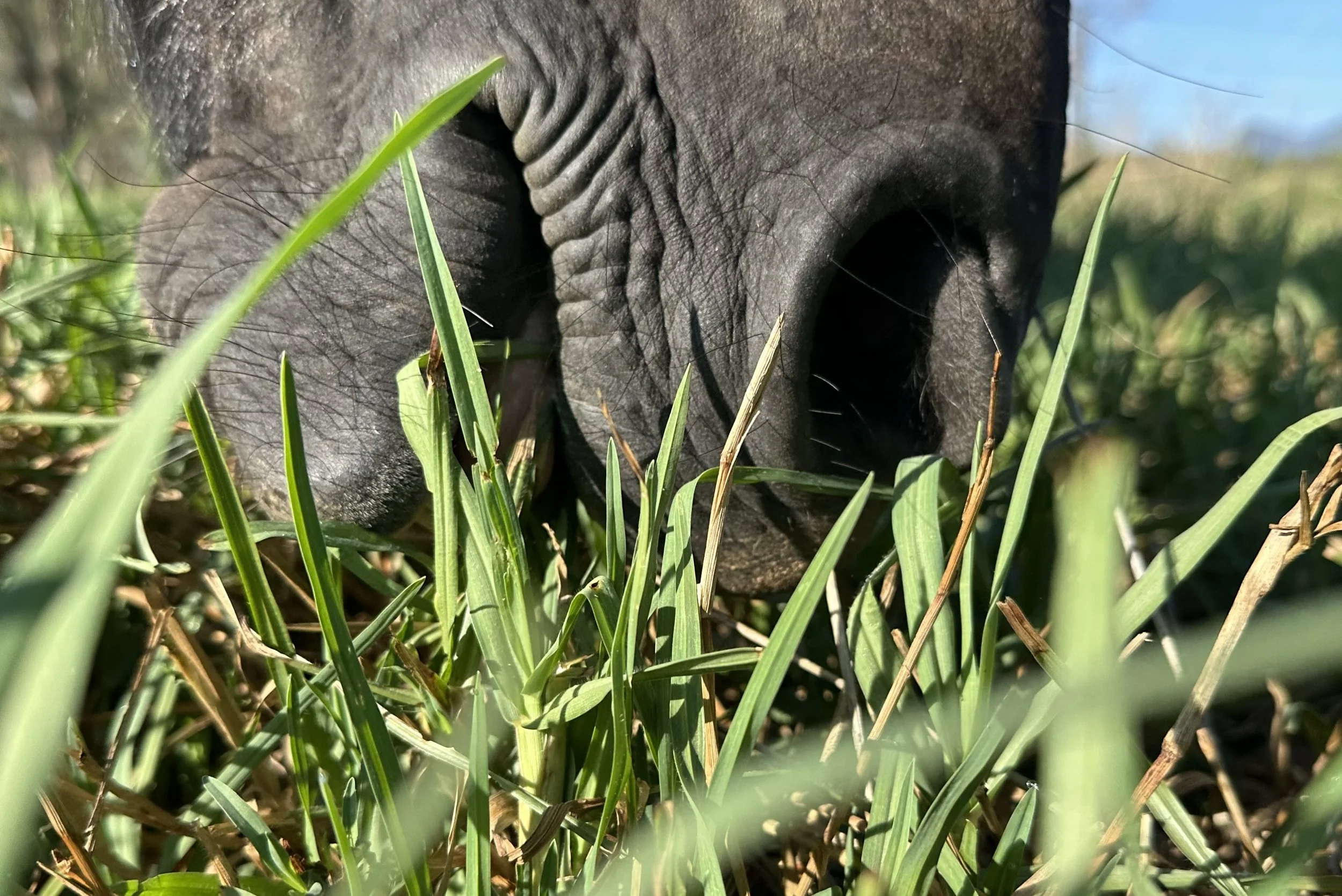
Danger in the Grass
Horses are natural grazers and there are few scenes more peaceful than watching horses with their heads down munching away at pasture. But sometimes what you may be unaware of is that some grasses will do real damage to your horse’s bones. And sadly, in far too many cases, the first a horse’s owner is aware of this danger lurking in their grass, is that their horse will suffer a broken leg, or pelvis and the only option is euthanasia. Heartbreaking.
These calcium sucking, bone destroying grasses come from the ‘warm season’ (also commonly known as the sub-tropical) group of grasses. The dangerous grasses contain large amounts of a compound called oxalate which loves calcium and will steal it from your horse, weakening their bones in the process.
To protect your horse, it is important you can recognise the dangerous grasses and correctly supplement your horse with additional calcium. This article aims to help you understand how to do both of these things so you can keep your horse safe!
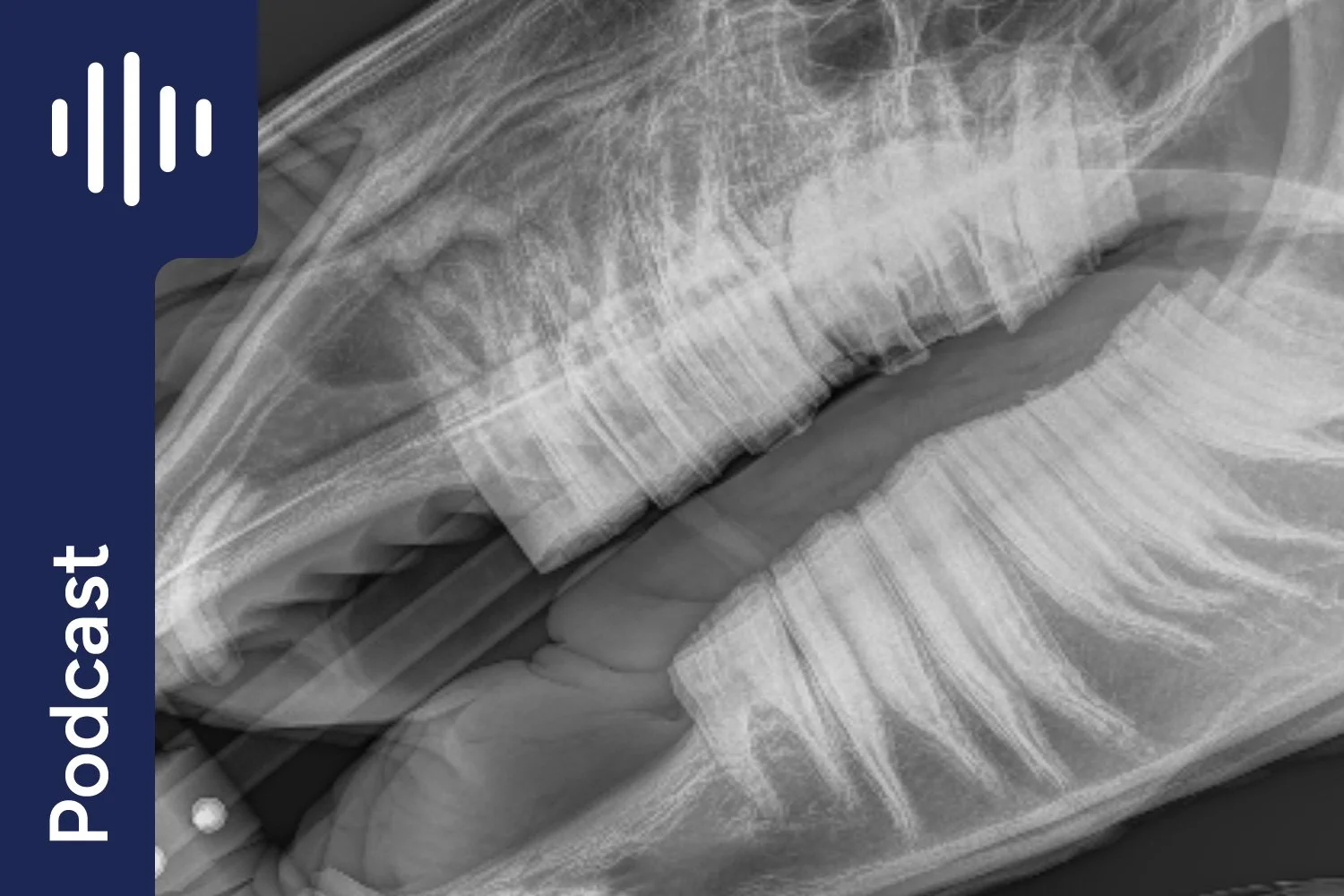
Horse Nutrition Q&A: Feeding horses with dental issues
Podcast #55. In this episode, Dr Nerida McGilchrist is joined by Jess, an equine science student from Charles Sturt University, for a practical Q&A on dental issues in horses and how they affect nutrition. Using Jess’s own horse as a real-life example, they explore how to feed horses with unusual or compromised teeth, why forage still matters, when soaked hay may help, and how to balance dental comfort with laminitis risk.
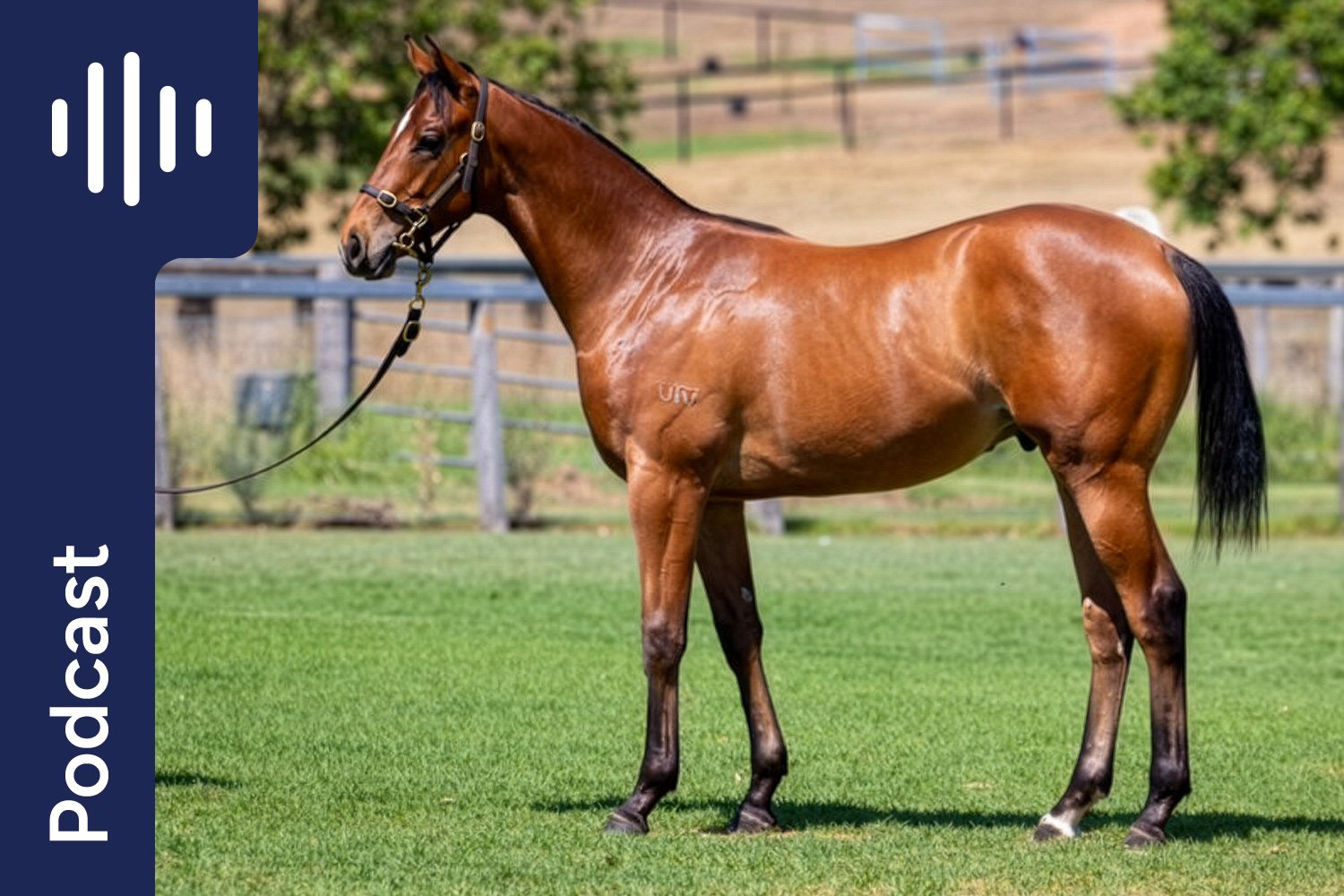
Rethinking Yearling Prep: Less Grain, More Gut Health
Podcast #54. What happens when a thoroughbred breeding farm reduces grain, increases forage diversity, and prepares yearlings with gut health in mind? In this episode, Dr Nerida is joined by Zac, a thoroughbred breeding farm manager preparing yearlings for sale, to talk about a very different approach to traditional yearling prep.
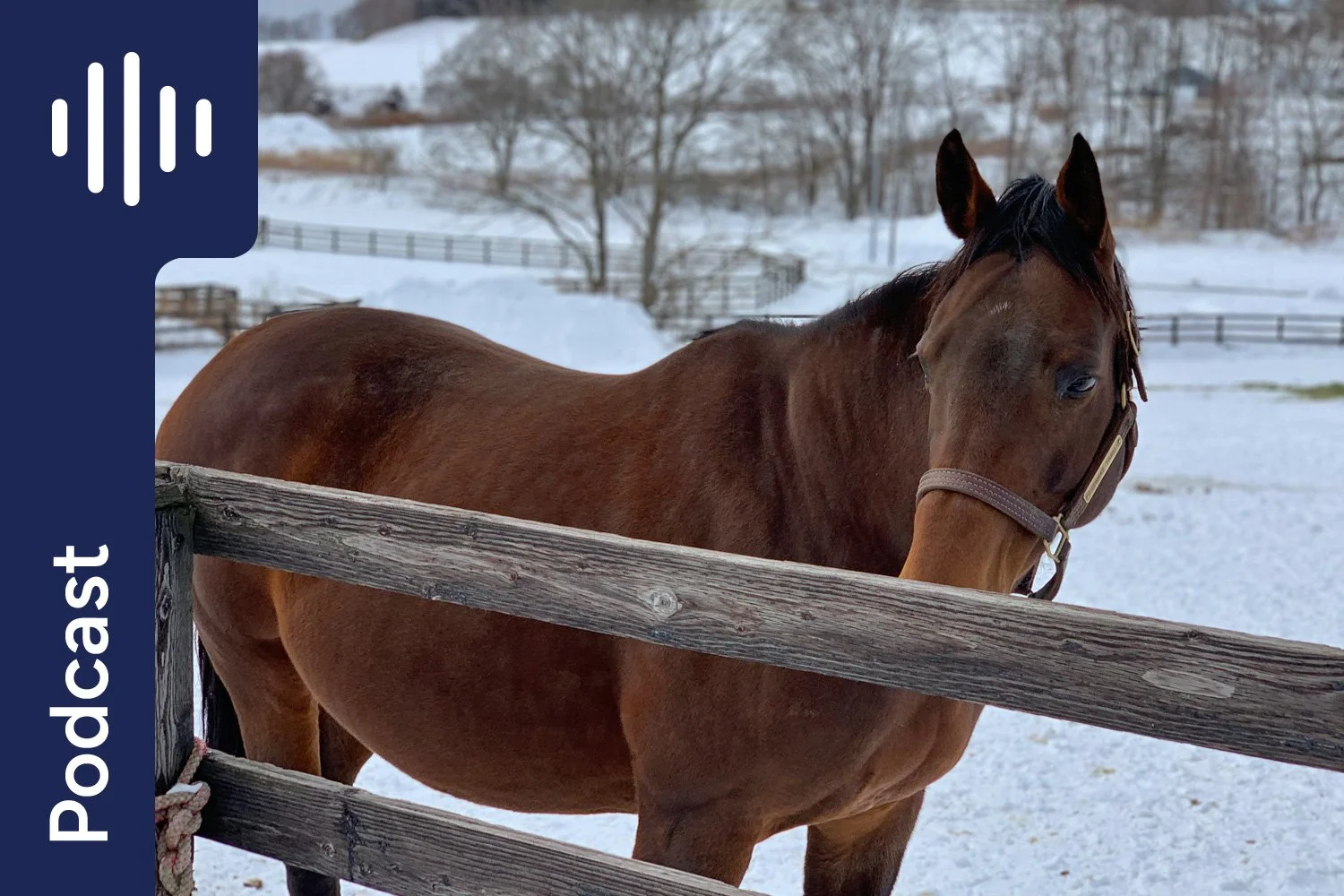
Feeding Horses in Winter
Podcast #53. Winter can be one of the biggest challenges when feeding horses. So in this episode, Dr Nerida talks all things winter feeding. You’ll learn why preparation matters, that forage is your horse’s internal heater and why body condition scoring with your hands is so important during the colder months.